First published on Thursday, November 6, 2025
Last updated on Thursday, November 6, 2025
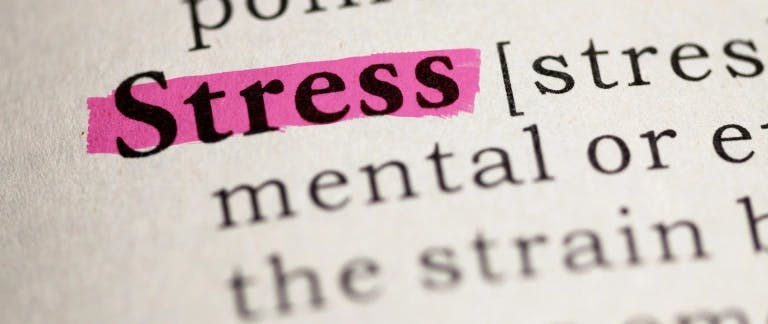
Nearly two-thirds of workplace accidents or work-related illnesses reported in the UK and Ireland are related to stress.
You have a legal obligation to ensure that your employees are not endangered while they’re working for you. You might already have thorough risk assessments and training, but here’s how to make sure your working environment is supportive and safe.
But first, let’s look at possible sources of stress
Work-related stress can be difficult to define or categorise. It can be caused or made worse by work. Relationships and events outside of work can also have an impact on work-related stress. It’s important to identify and manage the early signs of stress.
How can employers deal with stress?
Sit down with your employees, and make sure they have mechanisms in place to cope with the early signs of stress. Give them some options for managing stress, from performance management goals to access to healthcare or a confidential source of support like an Employee Assistance Programme (EAP). As stress becomes more serious, the wider an impact it will have.
Find help from the regulators
In its 2024 programme of work, the Health & Safety Authority (HSA) focused on psychosocial hazards and risks, including workplace bullying and stress. In 2025, it’s focusing on initiatives and interventions focused on topics relevant to SMEs. The HSA is committed to developing resources to support employers promote a positive safety culture.
What measures should be put in place for work-related stress?
Your Safety Statement will outline hazards and risks and ways to contain, eliminate or reduce them. For physical hazards and risks, you’ll probably have control measures like protective equipment. For stress, control measures are likely to be procedure-based.
A return-to-work policy, an Employee Assistance Plan, and performance management measures are all possible control measures for work-related stress.
What action should employers take to manage stress?
Review your safety statement. And if you don’t have one, check out BrightBase, our document library that contains expertly-written policies, templates and guidelines.
Look out for warning signs such as increased absence or reduced performance. Attendance and absence management software logs absences in seconds. Reporting and notifications will help you keep track of patterns and support employees who are dealing with absence due to personal challenges.
Start a conversation with your employees. And if you or your managers are unsure how, take a look at BrightLearn. The e-learning platform has courses on essential topics like mental health, effective communication, and disciplinary investigations.
Provide a confidential source of support. Our Employee Assistance Programme (EAP) is a 24/7 wellbeing provider. So, anyone struggling can access fast-tracked wellbeing support and a network of over 2,150 counsellors and psychologists.
How BrightHR can help
BrightSafe, our end-to-end health & safety management system, protects employers and employees with real-time reporting and CPD-accredited training. Including risk assessments, health & safety documents, and a responsibilities navigator that lets you delegate and manage tasks.
Because health & safety should include mental health, as well as physical health.